Praying Mother Bluework: A Designer's Review
As someone who has spent years turning machine embroidery designs into weekend craft fair bestsellers, I approach every new embroidery file with a critical eye. I ask myself: Will this catch a shopper's eye from across the aisle? Can I stitch it cleanly on a tote bag? Will it photograph well enough for an Etsy listing? When I first previewed Praying Mother Bluework, I knew immediately this was a design with serious potential for handmade product lines, but only if you handle it with the right production strategy.
First Impression: Elegant, Reverent, and Market-Ready
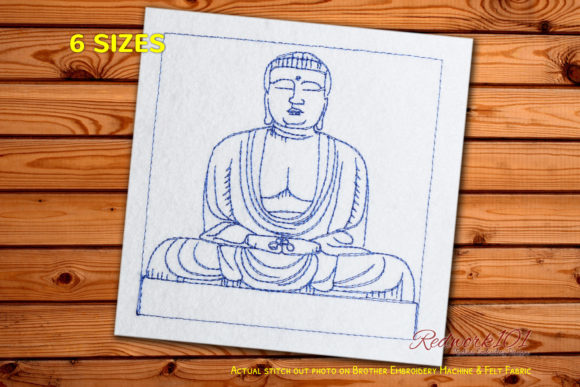
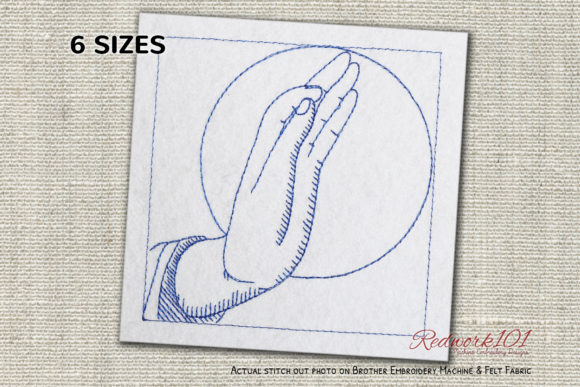
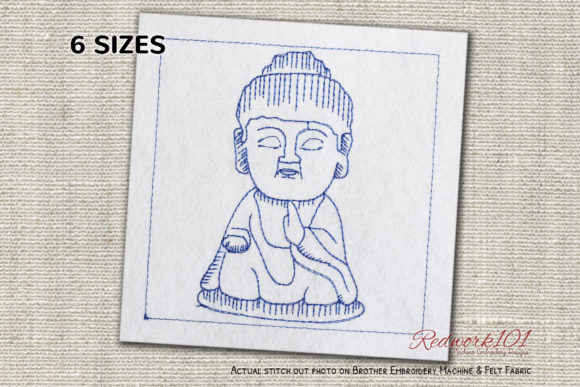
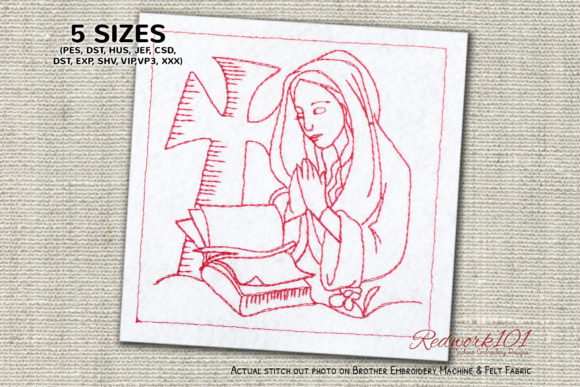
The first thing that struck me about Praying Mother Bluework is its quiet confidence. This is not a loud or trendy design. It carries a soft, reverent elegance that feels at home in farmhouse decor, religious gift displays, and faith-based boutique collections. The bluework style gives it a hand-stitched, heirloom quality that immediately signals premium handmade care. Customers browsing a craft fair booth tend to pause at designs that feel personal and meaningful, and this design delivers exactly that emotional connection.
The optional box stitch adds a nice framing element, but I appreciate that the description makes it clear you can skip the outer box color if it doesn't match your product vision. That flexibility is crucial for small shop owners who need to adapt a single design across multiple product types without buying separate files.
Where Praying Mother Bluework Shines in a Booth Display
When I imagine setting up a craft fair table with embroidered products, I think about visual flow. You need bold pieces that grab attention and quieter pieces that invite closer inspection. Praying Mother Bluework works beautifully as the latter.
- Tote bags and market bags: Centered on a natural cotton tote, this design becomes a tasteful statement piece. It's subtle enough for everyday use but meaningful enough to spark conversation with customers.
- Tea towels and kitchen linens: The bluework aesthetic pairs wonderfully with flour sack towels or linen tea towels. Stitch it in a corner or centered near the hem for a farmhouse look that sells well at autumn and spring markets.
- Apron embroidery: An apron with this design feels thoughtful and personal. It works for both kitchen aprons and craft aprons aimed at the faith-based gift market.
- Embroidered patches: Small-scale versions of this design on iron-on patches are an excellent add-on item at your booth. Customers who love the larger product can take home a patch for a notebook, jacket, or bag.
- Pillow covers and fabric pouches: The soft, contemplative mood of the design translates well into home decor. A small pouch with this embroidery becomes a giftable item for religious occasions like baptisms, confirmations, or Mother's Day.
Practical Production Notes from the Hoop
Before you run a batch of Praying Mother Bluework items, let me walk through the production realities I've encountered with similar faith-based bluework designs.
Understanding Stitch Density and Fabric Choices
Bluework designs often rely on fine linework and open areas to create that hand-stitched look. If the stitch density is too high, you risk distorting lighter fabrics or creating a stiff, heavy feel on items like tea towels. I strongly recommend testing Praying Mother Bluework on a scrap piece of your target fabric before committing to a production run. Check the back of the stitching: if you see heavy thread buildup or puckering, you may need to adjust your stabilizer or reduce the design size.
Thread Colors and Contrast
The description mentions that the outer box color can vary or be skipped entirely. For the bluework itself, I suggest using a medium to dark blue thread on light or neutral fabric. Avoid very dark fabrics unless you are confident the thread color will pop. On black or navy items, you may lose the delicate details that make this design special. Stick with cream, white, oatmeal, soft gray, or light blue fabric for the best contrast and visual appeal.
Hoop Size and Design Scaling
I always tell fellow sellers to confirm their hoop size before downloading any embroidery file. If Praying Mother Bluework is larger than your typical hoop, you may need to resize it, which can affect stitch density and detail clarity. Test a small version on a patch or pouch first. For a tote bag or apron, you likely want a medium to large hoop size so the design becomes a focal point without overwhelming the product.
Stabilizer Recommendations
For tea towels and lightweight fabrics, use a tear-away stabilizer with a light to medium weight. For tote bags and aprons, a cut-away stabilizer will provide more structure and prevent distortion over time. If you are stitching on textured towels or thick canvas, consider a water-soluble topper to keep the stitches clean and prevent them from sinking into the fabric.
Photographing Praying Mother Bluework for Online Listings
If you sell on Etsy or through your own website, how this design photographs matters as much as how it stitches. Praying Mother Bluework has a natural advantage here because the bluework style creates clear, readable shapes. When photographing your finished product, use natural daylight and a simple background. The design's elegant simplicity means it does not need busy props. A plain white or kraft paper backdrop lets the embroidery speak for itself.
I also recommend creating at least one printable mockup using a clean digital version of the design. Many Etsy sellers and digital sellers use mockups to show how the design will look on different product types without stitching every variation. This is especially useful for handmade product listings where you want to show a tote bag, apron, and patch all in one listing. Just make sure your mockup accurately reflects the actual stitchout so customers are not disappointed.
Batch Production and Repeatability
For craft fair sellers, repeatability is everything. You need to stitch ten aprons or twenty tea towels and have each one look identical. Praying Mother Bluework is well suited for batch production because the design has a clean, open structure that does not rely on ultra-fine details that can shift between hooping. However, I always recommend checking the following before starting a batch:
- Thread tension: Run one test on your actual production fabric. Adjust tension if you see loops or breaks.
- Needle condition: Use a fresh needle, especially if you are stitching on textured towels or thick fabrics.
- Design placement: Mark your fabric consistently. Even a slight shift in placement can make a batch look inconsistent when displayed side by side.
If you plan to sell finished products featuring this design, double-check the commercial embroidery licensing terms that came with your digital embroidery file. Some designers allow unlimited commercial use, while others require a separate license. This is a small step that protects your business and keeps everything above board.
Careful-Use Notes for Specific Products
Not every product is the perfect home for Praying Mother Bluework. Here are a few scenarios where you need to exercise caution:
- Small caps and curved surfaces: Tiny details may lose clarity on a curved cap front. If you want to stitch this design on a cap, test it at a reduced size first and use a cap frame with appropriate stabilizer.
- Textured towels: The fine lines of bluework can sink into thick terry cloth or waffle weave towels. Use a water-soluble topper and test the stitchout to ensure details remain crisp.
- Dark fabric: As mentioned, dark backgrounds can mute the design. If you must use dark fabric, consider a light blue or white thread and test the contrast beforehand.
- Very small products: If you are stitching this design on a tiny pouch or coin purse, make sure the design scales down without losing readability. Some bluework designs depend on open space, and shrinking them too much can turn the image into a muddy blob.
Visual Appeal and Customer Engagement at the Booth
When customers browse your craft fair booth, they are making quick decisions. Praying Mother Bluework has a calm, respectful presence that draws in shoppers looking for meaningful gifts. It is not a design that screams for attention, but it rewards those who take a closer look. I have found that designs like this often lead to longer conversations at the booth. Customers will ask about the meaning, the technique, and whether you can personalize it. That engagement is gold for a small shop owner.
If you display a tote bag or tea towel with this design, place it at eye level on a rack or hanging display. Pair it with other faith-inspired items, but do not overcrowd the area. Let the design breathe. A single well-lit sample can sell itself better than a table full of competing patterns.
Final Designer Verdict
After reviewing Praying Mother Bluework from every angle, I can say this is a strong addition to any handmade product line focused on faith-based or gift-ready items. It is not a novelty design that will fade after one season. It has the timelessness that Etsy sellers and craft fair vendors need to build a consistent brand. The bluework style feels premium without being fussy, and the optional box stitch gives you flexibility in presentation.
My advice: test it on your chosen fabric, confirm the hoop size, check your thread contrast, and stitch at least one real sample before listing it online or stocking your booth. Use a printable mockup to expand your product listings without overproducing inventory. And always confirm that your machine embroidery design license covers commercial embroidery if you plan to sell the finished goods.
Praying Mother Bluework has the potential to become a quiet bestseller in your shop. Treat it with the same care you would any premium design asset, and it will serve your customers and your business well for seasons to come.